
What Psychosis is really like
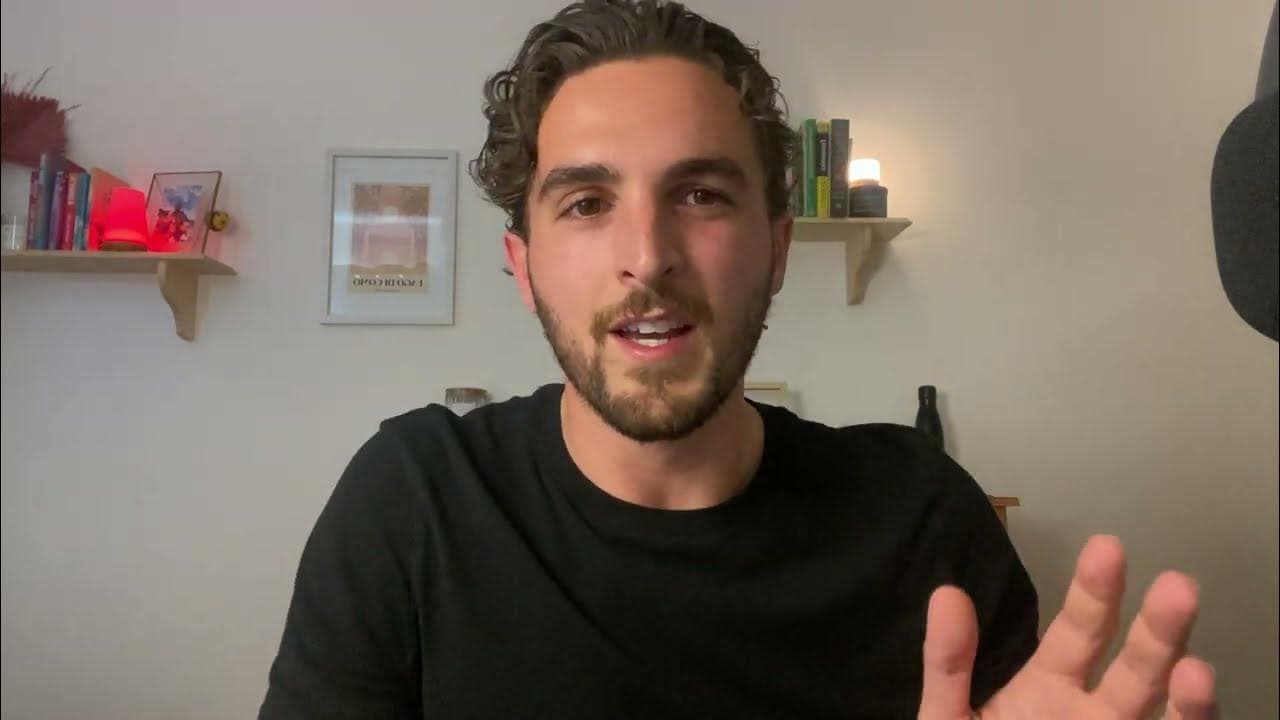
Understanding psychosis through firsthand accounts provides vital insights for those experiencing similar symptoms or supporting loved ones affected by it. My personal journey with psychosis as part of Bipolar Type 1 disorder offers a window into this complex mental health condition that affects perception and thought processes.
By sharing my experiences, I hope to reduce stigma and increase awareness about what psychosis truly feels like from the inside.
Watch my video where I explain what psychosis is like based on my personal experiences:
My Experience with Psychosis
Living with Bipolar Type 1 has meant experiencing manic episodes that sometimes lead to psychosis. These episodes significantly alter my perception of reality in ways that can be frightening, confusing, and isolating. During these times, my brain processes information differently, creating experiences that seem absolutely real to me but aren’t aligned with objective reality.
The hallucinations and delusions I’ve experienced have taught me how dramatically our minds can reshape our world. What makes psychosis particularly challenging is that when you’re in it, you typically have no awareness that your perceptions aren’t real—they feel as genuine as any other experience.
Symptoms I’ve Experienced
Delusions
During episodes, I’ve developed strong beliefs that seemed completely logical to me but were disconnected from reality. These delusions often had themes of grandiosity or persecution, where I believed I had special powers or that people were conspiring against me.
Hallucinations
I’ve experienced sensory perceptions that weren’t actually present—seeing, hearing, feeling, or smelling things that others couldn’t. These hallucinations were indistinguishable from real sensory input, making it impossible for me to tell the difference without external feedback.
Disorganised Thinking
My thought processes became fragmented and disjointed during episodes. I would jump between topics without logical connections, or create associations between unrelated events that seemed profoundly meaningful to me at the time.
Getting Support
If you’re interested in learning more about psychosis, I recommend viewing my other videos where I discuss different aspects of living with Bipolar Type 1. Understanding these experiences can help both those who experience psychosis and their loved ones navigate these challenging episodes with more compassion and knowledge.
For those seeking more in-depth information, I’m writing a book about my experiences and insights. You can join the waiting list by visiting mikemcdonnell.co.uk, where I’ll be sharing updates on its publication.
Final Thoughts
Psychosis is a deeply personal experience that varies from person to person. By sharing my story, I hope to contribute to a better understanding of mental health conditions that involve psychosis. Remember that with proper treatment and support, many people who experience psychosis can and do recover, leading fulfilling lives with appropriate management strategies in place.

Mike McDonnell
Entrepreneur, author, and mental health advocate based in Chelmsford, Essex. I write about building businesses while managing bipolar disorder.
You might also like
Best Bipolar Disorder Books for Daily Management in 2026
Living with bipolar disorder means riding the waves of mania, depression, and everything in between. As I've shared in posts like "Life Inside My Bipolar Mind,
The Best Books on Psychosis for Understanding and Recovery in 2026
Psychosis plunged me into my mind's darkest reality – terrifying delusions, voices that wouldn't stop, and a complete disconnection from the world around me. As
Are Psychosis and Schizophrenia the same thing?
Psychosis and schizophrenia are often confused or used interchangeably, but they represent different aspects of mental health disorders. Psychosis is a set of s